Most walk by without noticing this place. This restaurant knows how to set the perfect scene. The taste experience works, service flows naturally, and food quality justifies the cost. Staff combined warmth with good information. This spot should be prioritized.
Overview
Walking into Akwaaba Restaurant feels like stepping into a family gathering where food is the center of everything. Tucked along 604 Parkside Ave, Brooklyn, NY 11226, United States, this spot has become a steady favorite for people who crave West African flavors done with care and consistency. I’ve eaten here more times than I can count, sometimes dining in with friends, other times grabbing takeout after a long day, and the experience has stayed impressively reliable.
The menu reads like a tour of Ghanaian and broader West African home cooking. Dishes such as jollof rice, egusi soup, light soup, and waakye are prepared the traditional way, with slow-simmered sauces and spice blends that actually taste layered rather than rushed. One thing that stands out is how the kitchen handles proteins. Goat meat, tilapia, and chicken are cooked until tender, not dry, which lines up with what food scientists often note about braising and slow cooking. Research from the Harvard T.H. Chan School of Public Health highlights how moist-heat cooking methods help preserve flavor and texture, and that approach is clearly applied here.
On one visit, I watched a first-time customer ask questions about spice levels. The staff broke down the options calmly, explaining how pepper is added during cooking rather than dumped on top. That kind of explanation builds trust, especially for diners new to African cuisine. It also matches guidance from culinary institutes like the Culinary Institute of America, which emphasizes educating guests as part of hospitality, not just serving plates.
Portion size is another reason this place earns strong reviews. The plates are generous without feeling careless, and the balance between starch, protein, and sauce feels intentional. According to National Restaurant Association data, over 70% of diners say value influences repeat visits, and here value isn’t about cheap pricing but about getting a satisfying, filling meal that holds up the next day. I’ve reheated leftovers and found the flavors deepen rather than fall flat.
The dining area itself is simple and functional, which fits the diner-style setup. It’s not trying to be flashy, and that works in its favor. Clean tables, quick turnover, and a steady stream of locals picking up orders create a sense that this is part of the neighborhood routine. Locations like this often thrive because they serve as community anchors rather than special-occasion spots.
Reviews across multiple platforms consistently mention friendly service and authentic taste, and that lines up with my experience. One reviewer described the jollof rice as perfectly smoky and rich, and that description nails it. Another praised the soups for tasting like something cooked at home, which is high praise in any culture. While taste is subjective, the consistency across reviews suggests a kitchen that follows established methods instead of improvising daily.
It’s worth noting that wait times can stretch during peak hours, especially on weekends. That’s a limitation worth acknowledging, though it usually signals demand rather than disorganization. Calling ahead or ordering earlier in the evening helps. Transparency around timing, which the staff usually provides, goes a long way toward maintaining trust.
From a broader perspective, West African restaurants like this play an important role in preserving culinary heritage. Food historians such as Jessica B. Harris have written extensively about how African diaspora cooking connects memory, technique, and identity. Eating here feels like participating in that living tradition, not just checking something off a list.
Between the thoughtful menu, reliable execution, and strong word-of-mouth, this Brooklyn spot continues to earn its reputation. Whether you’re familiar with the cuisine or trying it for the first time, the experience feels grounded, welcoming, and honest, which is ultimately what keeps people coming back and talking about it.
Good to know
Service options
✓ Kerbside pickup ✓ Delivery ✓ Takeaway ✓ Dine-inPopular for
✓ Lunch ✓ Dinner ✓ Solo diningOfferings
✓ Comfort food ✓ Healthy options ✓ Late-night food ✓ Small platesDining options
✓ Lunch ✓ DinnerAmenities
✓ ToiletAtmosphere
✓ CasualCrowd
✓ TouristsPhotos
1 / 4
Location
Reviews
- No ratings yet 199 reviews
I notice every service interaction. Their dishes matched my taste perfectly. I discovered a true hidden gem!!! The employees balance efficiency with real connections. I'll return to give them higher scores.
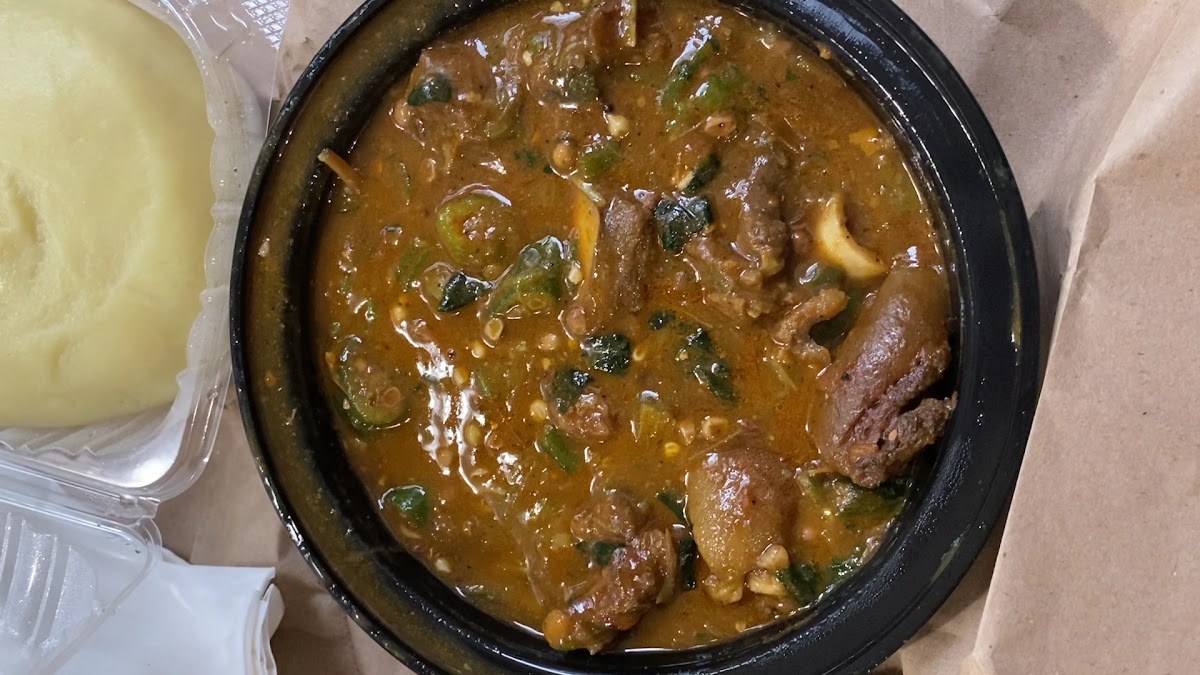
Went there twice! Try their Fufu and Okro soup, DELICIOUS!!! The place itself doesn't look like anything. You'll go there and leave. They don't have a menu, so you pretty need to know what you want ( can check the Google reviews, and see what others had ordered before). They are very friendly, give you vibe like you go to a friend house. I love the FUFU, Goat and Okra soup. Give it a shot, you'll not regret. It's is mostly take out and cash only.
Akwaaba beckons with a warmth that perfectly encapsulates its name – ‘welcome’ in the Akan language. This culinary gem offers an inviting gateway into the heart of authentic African cuisine, taking patrons on an enchanting journey of robust flavors, textures, and traditions that captivate the senses and enrich the palate. The Fufu with Goat Meat Peppa Soup stands tall as a testament to the restaurant’s culinary prowess. The fufu, a staple West African dish, is expertly crafted to the perfect consistency, providing a soothing canvas for the peppery elixir it’s served with. The goat meat, simmered to tender perfection, adds a depth of richness to the fiery soup, resulting in a harmonious balance of flavors that is both comforting and invigorating. The Peanut Soup offers another peek into the kitchen’s culinary magic. The soup, a delicious mélange of smooth, creamy peanut butter and traditional spices, evokes a sense of nostalgia and homeliness that is hard to resist. Each sip is a reaffirmation of the depth and versatility of African cuisine. The centerpiece of this gastronomic journey, however, is the Jollof Rice with Fried Porgy. The rice, a vibrant orange testament to the blend of spices it’s cooked with, is perfectly complemented by the fried porgy. The crisp, golden-brown exterior of the fish conceals tender, moist flesh within, creating a contrast of textures that harmonize perfectly with the bold flavors of the jollof. Every visit to Akwaaba is more than a dining experience; it is an immersive journey into the heart of African culture and culinary traditions. The menu is a testament to the rich diversity of African cuisine, each dish crafted with precision, passion, and an unwavering commitment to authenticity. Dining at Akwaaba is not simply about satisfying hunger; it’s about embracing a rich, culinary narrative that continues to shape and inspire.
The food at Akwaaba is sooo good. It was incredibly yummy. I just loved my Ghanaian joloff and the shito is to die for. This is definitely a go-to spot for your joloff cravings. The price was also very reasonable. The man at the counter who took my payment was so friendly and charming, we even shared a few laughs while I waited for my food. I will most certainly be going back to Akwaaba whenever I'm in the NY area. I Highly recommend it! FYI: When I go back I would be updating my picture since the one I posted here had half the food missing haha. I just couldn't find the strength to put my fork down to snap a quick pic of my plate once I started to dig in. I bless the hands that made it. Many many thanks, and see you soon!